CRM Design System
Led the end-to-end creation of a self-serve CRM design system in three months—defining its variable architecture, accessible multi-brand themes, responsive components, and interactive documentation.
From foundations to finished experiences
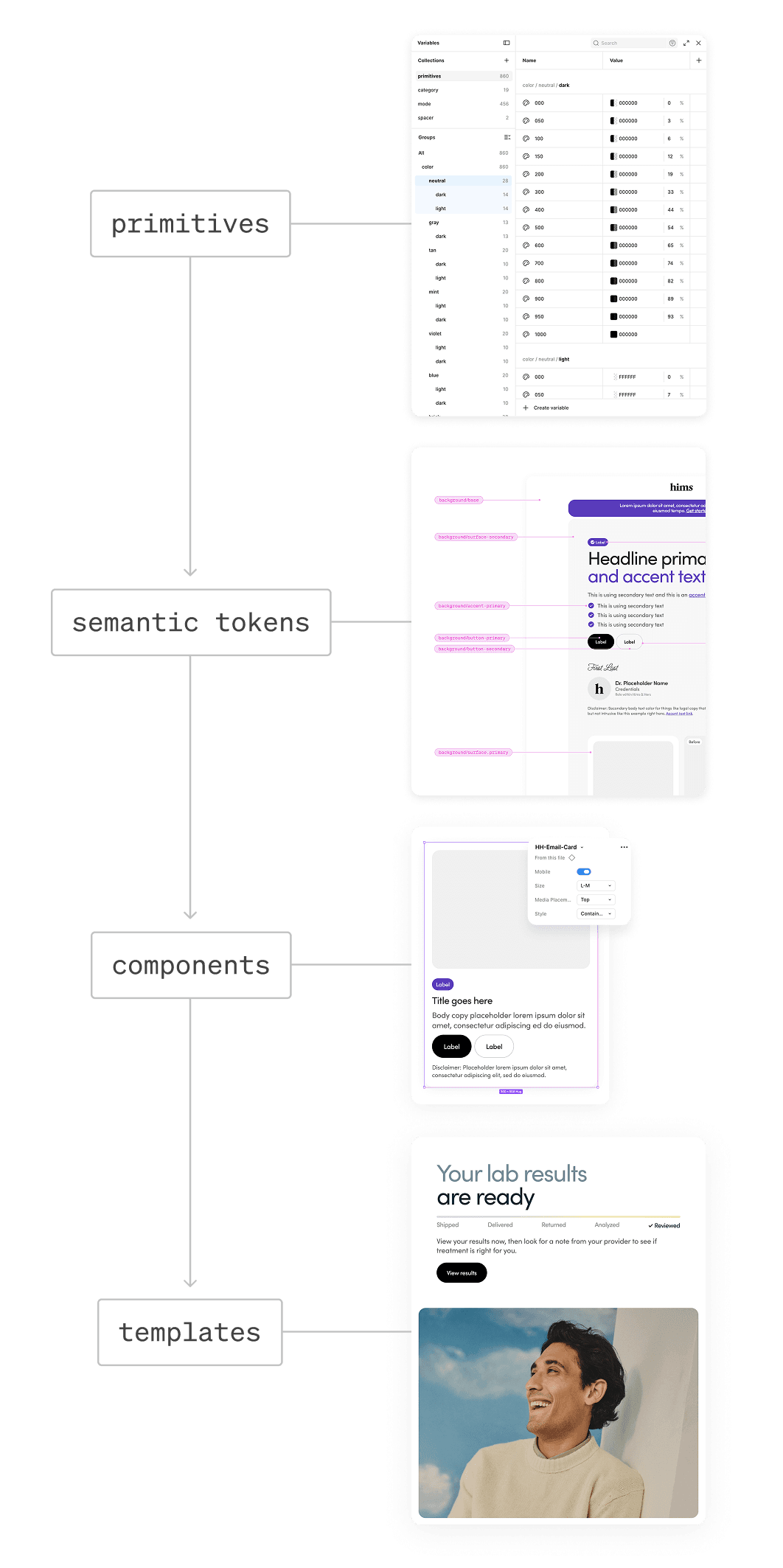
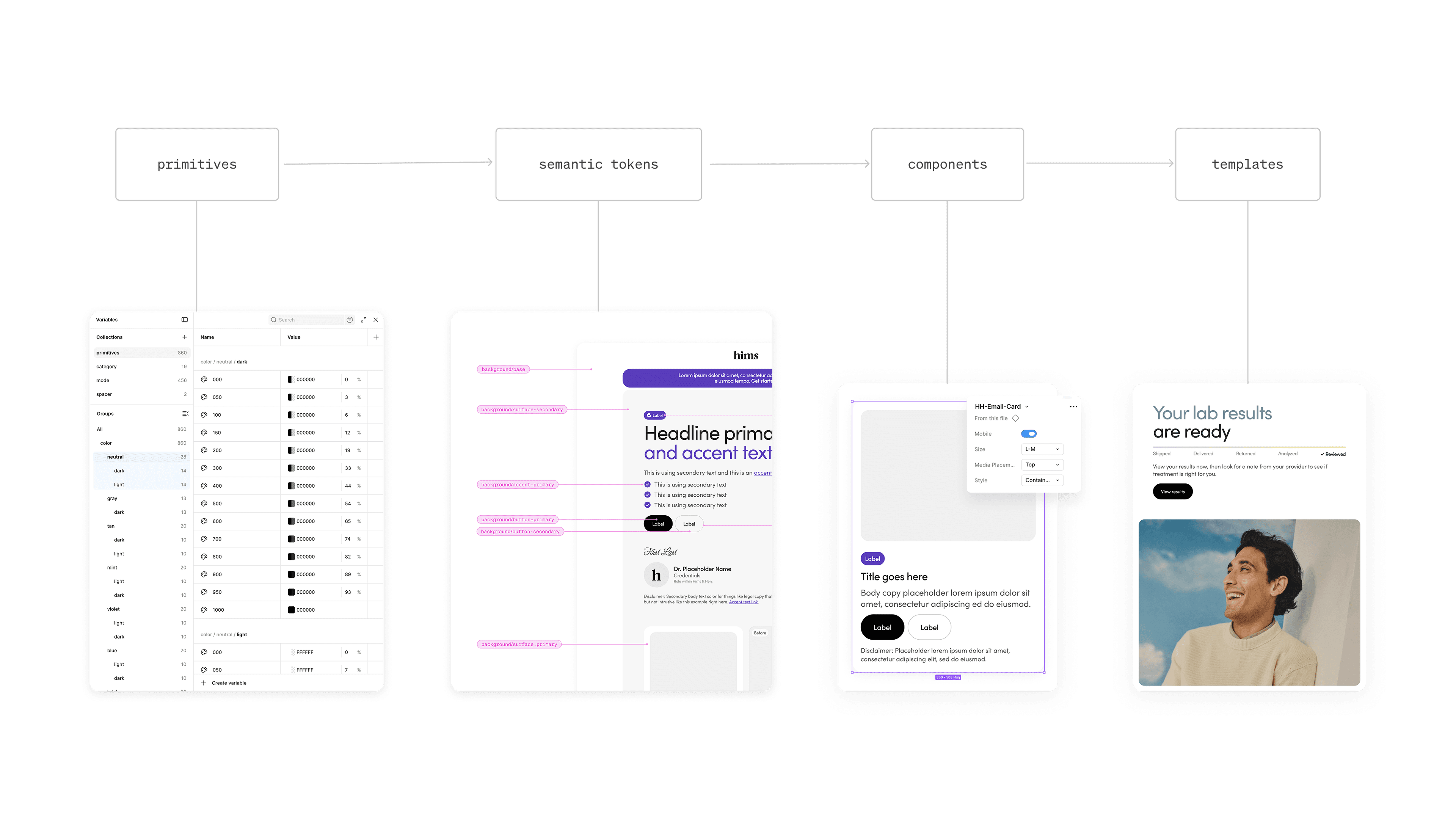
The design system is organized into four connected layers that build upon each other. This shared foundation keeps design decisions consistent, makes updates easier to manage, and gives the system the flexibility to support new categories, themes, and use cases over time.
One system, many expressions.
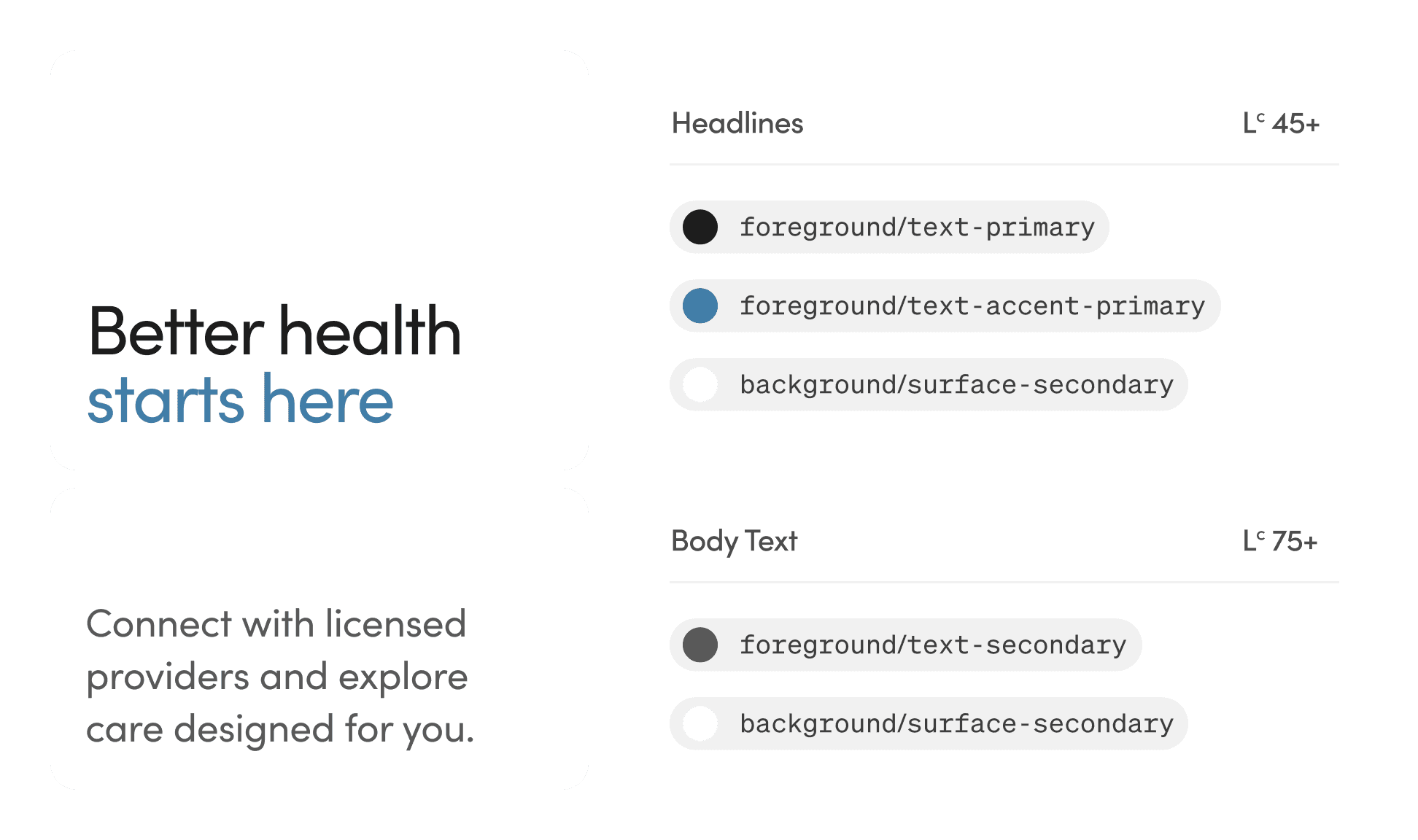
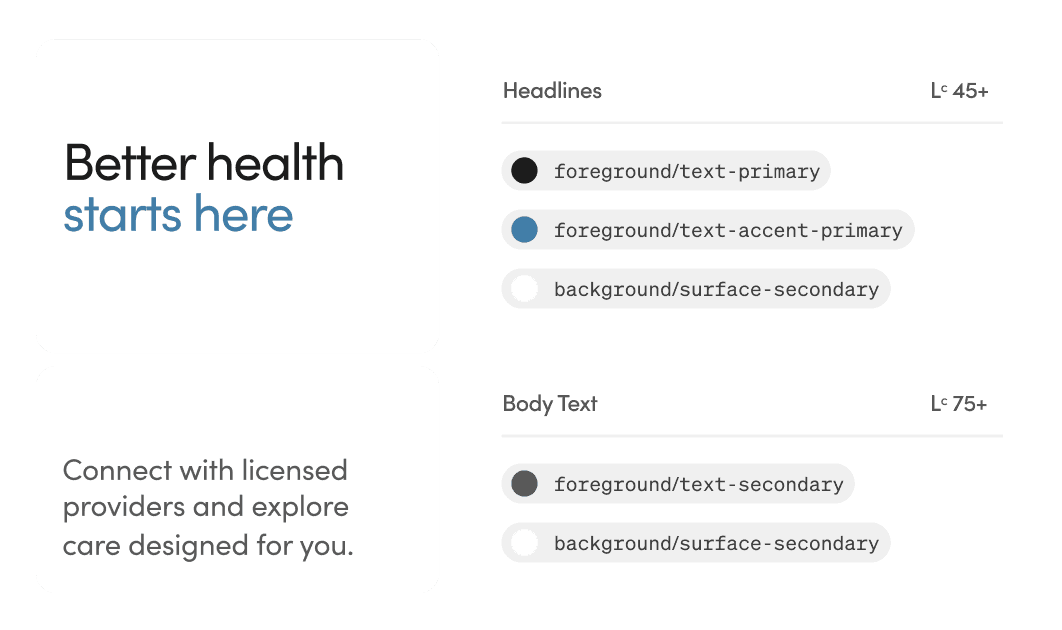
Semantic variables designed with accessibility in mind allow components to adapt across brands, categories, and light, neutral, and dark themes.
Responsive by default
Responsive behavior was built directly into the components. With a single property toggle, designers can move between desktop and mobile layouts while preserving content, hierarchy, and brand styling.
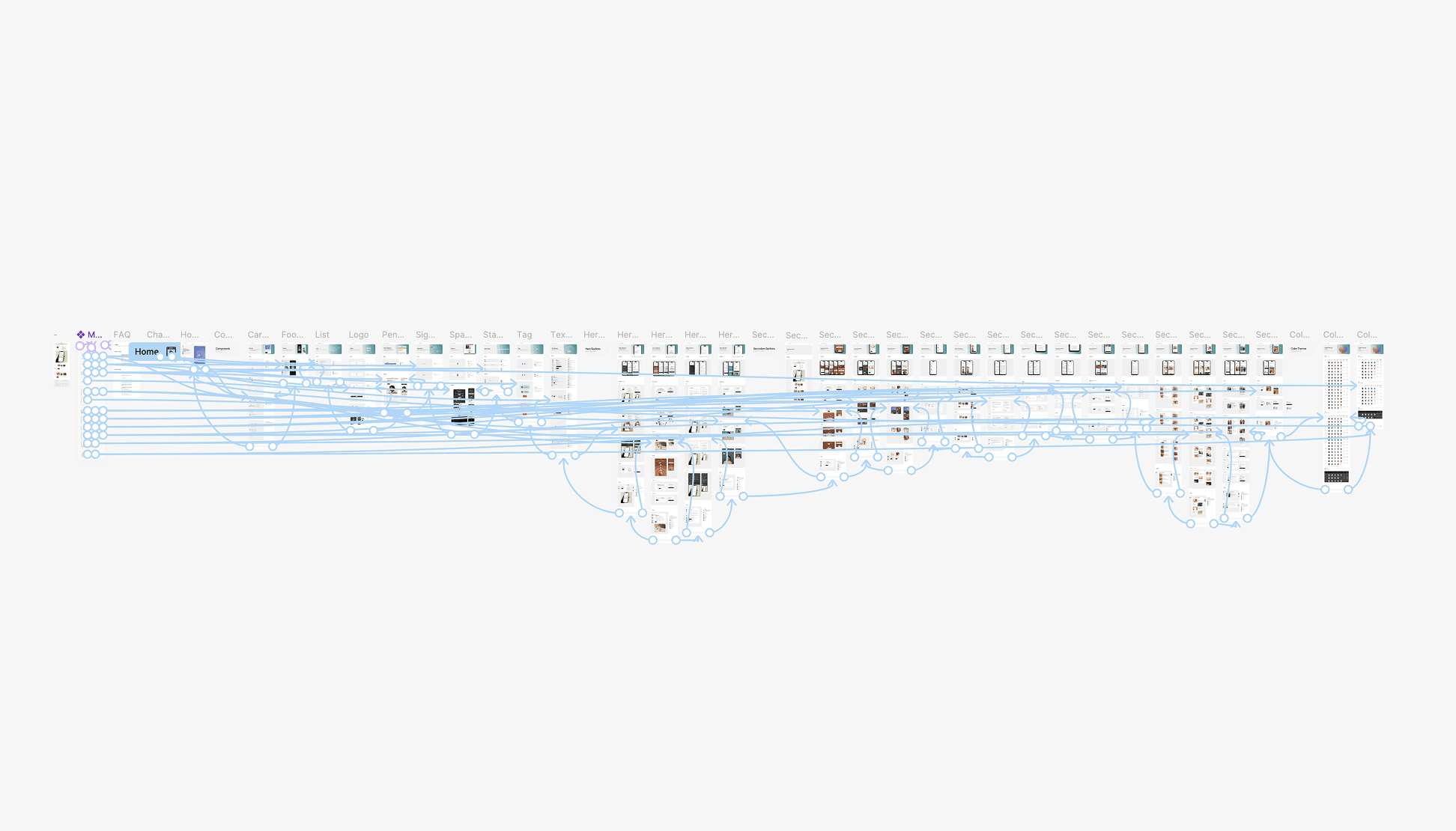
Documentation built for self-service
To help marketing partners confidently use the self-serve platform, I created an interactive prototype that made available options, specifications, and usage guidance easy to explore. What began as a shared foundation became a flexible system that helped teams move faster without sacrificing consistency, accessibility, or care.